Staircase and narrow hallway moves in Inverness solved
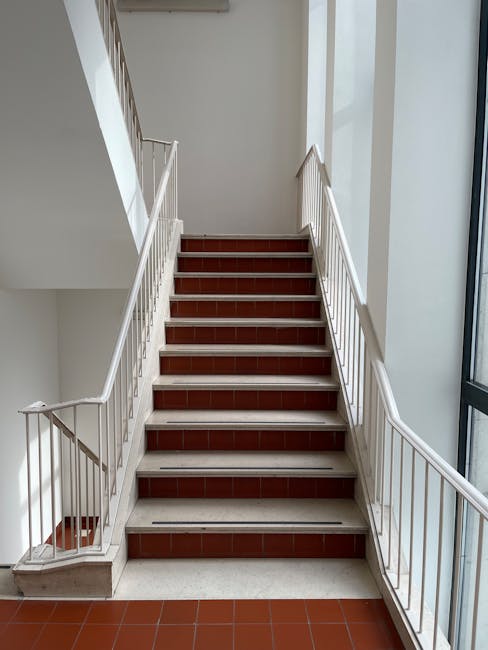
Anyone who has tried to move a wardrobe, sofa, or heavy appliance through a tight Inverness stairwell knows the feeling: the turn is awkward, the walls are close, and suddenly the item that looked perfectly manageable in the room becomes a complete puzzle. Staircase and narrow hallway moves in Inverness solved is really about turning that puzzle into a calm, controlled job.
It is not just a matter of brute strength. These moves need planning, the right lifting technique, a clear route, and a realistic understanding of what will and will not fit. In a city full of period homes, upper-floor flats, compact terraces, converted buildings, and those slightly mysterious hallway corners that seem designed to catch furniture, the difference between a smooth move and a stressful one is often in the preparation.
This guide breaks down how tight-access moves work, what makes them risky, how professionals handle them, and what you can do to make the day easier. If you are comparing options for a home move, a smaller load, or just one awkward item, it will also help you judge whether a man with van service, a full team, or a more specialist approach makes sense.
- Why it matters
- How it works
- Key benefits
- Who it is for
- Step-by-step guidance
- Expert tips
- Common mistakes
- Tools and resources
- Law, compliance and best practice
- Options and comparison
- Real-world example
- Practical checklist
- Conclusion
- Frequently asked questions
Why Staircase and narrow hallway moves in Inverness solved Matters
Staircases and narrow hallways change the whole logic of a move. A straightforward carry becomes a geometry problem. You are no longer just lifting weight; you are managing angles, balance, stair depth, ceiling height, door swing, handrails, corners, and the risk of scuffing walls or trapping fingers. Sounds fun, right? Not exactly.
In Inverness, this matters even more because many properties mix older layouts with newer fittings. You might have a compact stairwell in a tenement-style building, a tight landing in a town-centre flat, or a curved internal staircase in a house where the builder clearly had a sense of humour. If a mover only looks at item weight and forgets access, trouble follows quickly.
The practical issue is simple: items that are fine in open space can become impossible in confined access. A sofa might need to be taken upright, twisted on its side, or carried in a completely different way than the customer expected. A wardrobe that looked perfect in the showroom may need door removal before it even leaves the room.
This is why proper access planning is not a luxury. It saves time, reduces the chance of damage, lowers the risk of injury, and makes the whole move feel much less chaotic. For households planning broader relocation support, home moves guidance can help you think beyond the last-minute scramble and approach the day properly.
Expert summary: tight-access moves are rarely won by strength alone. They are won by measuring well, clearing routes early, choosing the right equipment, and taking the item apart when that is the safer option.
How Staircase and narrow hallway moves in Inverness solved Works
The process starts before anyone picks up a box. A good move through stairs or a narrow hall is usually handled in stages: survey, plan, prepare, protect, lift, and adjust. That sounds tidy on paper. In real life, one staircase turn can change the plan in thirty seconds flat.
The first step is access assessment. This usually means checking the width of hallways, the height of ceilings, the position of railings, and whether furniture can be turned safely at each landing. A sofa that is technically small enough may still be awkward because the hall bends sharply at the first corner. A chest of drawers may fit lengthwise but fail at the stairwell angle. It is all about the route, not just the item.
Next comes preparation. That can include removing doors from hinges, taking off table legs, emptying drawers, wrapping glass, and creating clear floor space. If you have ever tried to reverse down a tight landing while someone says, "just a bit more to the left," you already know why this matters.
Then the actual move begins. Teams often use lifting straps, blankets, sliders, dollies, or shoulder carries depending on the item and the stairs. For especially awkward items, they may rotate the furniture in stages rather than trying to force one continuous movement. Careful communication is vital here. One person leads, the other steadies, and both need to move together. No heroics.
If a move is part of a larger relocation, some customers also combine it with packing and unpacking services so that breakables and loose items are already under control before the heavy lifting starts. Honestly, that can make the day feel half as long.
Key Benefits and Practical Advantages
There are several reasons people choose professional help for stair and narrow hallway access problems, and they are not all about convenience. Some are about safety, others about protecting the property, and a few are simply about keeping your sanity intact.
- Less risk of damage: walls, bannisters, corners, floors, and furniture all suffer less when the move is planned properly.
- Safer lifting: awkward angles increase strain on backs, wrists, shoulders, and knees. Controlled technique matters.
- Faster progress: a measured approach often beats repeated failed attempts.
- Better item protection: the right wrapping and carrying method reduces chips, dents, and torn upholstery.
- Less stress for the customer: you are not left wondering whether the sofa will become part of the stairwell forever.
- More flexible problem-solving: if one route fails, a good crew can reassess quickly rather than getting stuck.
There is also a hidden benefit: better confidence. Once you know the team has dealt with tight access before, you stop worrying about every corner. That calmness is worth something. A lot, actually.
For people comparing vehicle and crew options, a smaller local load may suit man and van support, while larger or more complex moves may need something closer to house removalists with more hands and more equipment.
Who This Is For and When It Makes Sense
This kind of service is for anyone facing awkward access, but a few situations come up again and again. You might recognise one or two immediately.
- People moving into or out of flats with steep internal stairs
- Homeowners with narrow Victorian or converted-property hallways
- Tenants who need one large item moved without damaging the stairwell
- Small businesses moving furniture into upper-floor offices
- Landlords replacing furniture in rental properties
- Anyone with bulky items that cannot be turned easily indoors
It also makes sense when you have a combination of limited access and limited time. Maybe the move has to happen between tenants. Maybe the lift is broken. Maybe the item is just too awkward to carry with friends and a bit of optimism. Truth be told, optimism is lovely, but it does not shrink a three-seater sofa.
Commercial customers face the same access problems, only with added pressure. Desks, filing cabinets, and meeting tables do not care that the stairs are narrow. If your move involves business premises, the information on commercial moves and office relocation services is especially relevant.
Step-by-Step Guidance
Here is a practical way to approach a staircase or narrow hallway move without making it harder than it needs to be.
- Measure the item properly. Include height, width, depth, and any protruding parts like arms, handles, or feet.
- Measure the route. Check doorways, landings, stair width, turn points, and head clearance.
- Identify obstacles early. Look for mirrors, shelves, radiators, picture frames, loose rugs, and awkward corners.
- Decide whether to disassemble. Removing legs, doors, or drawer units can make a huge difference.
- Protect the property. Use blankets, floor protection, and corner guards where needed.
- Plan the carry order. Heavy or fragile items should be loaded and moved in the right sequence.
- Assign one lead communicator. Too many voices on a staircase is chaos waiting to happen.
- Move slowly through turns. Pause at landings, reset grips, and keep the route clear.
- Reassess if something feels wrong. If an item sticks, stop. Forcing it is where damage starts.
When the route is especially tight, the move may be easier if the team uses a more agile vehicle setup rather than a large lorry. Some customers prefer a vehicle-only solution, while others want a full team and a truck-ready approach. The right choice depends on item size, parking space, and how much carrying is needed from the vehicle to the property. For those decisions, it can help to review moving truck support and removal truck hire alongside your property access plan.
Expert Tips for Better Results
Small decisions make a surprisingly big difference on the day. A few practical habits can save a lot of hassle.
- Empty furniture before moving it. Drawers full of books or crockery change the balance point and make lifting far worse.
- Use the natural angle of the stairs. Sometimes slightly tilting the item is safer than fighting the geometry.
- Protect the sharpest contact points first. Sofa arms, bed corners, and table legs are the usual trouble spots.
- Keep fingers well clear. It sounds obvious, but narrow stairs can trap hands quickly.
- Take breaks on landings if needed. A short reset is better than a rushed carry and a wobble halfway through.
- Check parking and access outside too. Sometimes the hallway is only half the problem; the front path, kerb space, or shared entrance can be the other half.
In our experience, the nicest moves are the ones where everyone stays relaxed enough to think clearly. That might sound simple, but it really is the difference. And yes, a little tea break before the heavy stuff begins never hurts. Very British, very effective.
If the job includes decluttering or a single bulky item that no longer fits your space, furniture pick-up can be a neat way to remove one obstacle before the main move even begins.
Common Mistakes to Avoid
The same errors crop up again and again in tight-access moves. Avoiding them is often more valuable than any clever trick.
- Skipping measurements: hoping the item will fit is not a plan.
- Forgetting the landing turn: many items fit on the stairs but fail at the corner.
- Leaving furniture assembled when it should be broken down: a few screws can save an hour of frustration.
- Trying to rush the final turn: this is where walls get marked and backs get strained.
- Poor communication between movers: if people are not counting or calling moves clearly, the carry gets messy fast.
- Underestimating the value of protection: one blanket is not enough for a tight staircase with painted edges.
Another common problem is assuming every move should be done with the same setup. That is not how real removals work. A narrow hallway move for a single bed frame is very different from a full-house relocation. If the job is more complex than expected, it may be worth checking whether a broader domestic moving solution is better than a one-off carry.
Tools, Resources and Recommendations
You do not need a van full of specialist kit for every move, but the right tools help. Most tight-access jobs benefit from a sensible mix of protection, grip, and carrying support.
| Tool or resource | What it helps with | Best used when |
|---|---|---|
| Removal blankets | Protecting furniture, bannisters, and walls | You have painted corners or delicate finishes |
| Straps | Improving grip and reducing strain | Items are heavy but manageable with technique |
| Sliders | Moving items across floors before the stair carry | Furniture needs repositioning inside the property |
| Basic tools | Removing legs, handles, or doors | Disassembly will make the route workable |
| Quotation and access notes | Planning the move correctly | You want a realistic service recommendation |
For people who want to understand how pricing is usually approached, the pricing and quotes page is a useful place to start. If you are still weighing up support, it can also help to look at the team's approach to insurance and safety, especially for stairs, narrow landings, and high-value items.
One small but important recommendation: take photos of the access route before moving day. Not glamorous, I know. But a quick set of pictures can show steep stairs, tight bends, or parking restrictions that are easy to forget when you are busy juggling keys and boxes.
Law, Compliance, Standards, or Best Practice
For most domestic removals, the main compliance issues are practical rather than complicated. Safe lifting, property protection, insurance awareness, and clear communication matter more than any fancy terminology. UK moving work is expected to follow sensible health and safety practice, and that includes reducing avoidable injury risk and handling goods with care.
If you are hiring help, it is reasonable to ask how items are protected, how awkward access is assessed, and what happens if something unexpectedly cannot be moved the planned way. That is not being difficult. It is being sensible. A professional approach should also be clear about terms, payment, and any limits to the work being undertaken.
For customers with extra reassurance in mind, looking at a company's health and safety policy and terms and conditions can help set expectations before the move. If there is a complaint or issue, a published complaints procedure is also a good sign that the business takes service quality seriously.
There is also a wider responsibility angle. Customers often prefer providers who pay attention to fair treatment, ethical sourcing, and sensible waste handling. If that matters to you, the pages on recycling and sustainability and modern slavery statement may be relevant while you are choosing who to trust.
Options, Methods, or Comparison Table
Not every tight-access move needs the same solution. Here is a simple comparison to help you decide what fits the job best.
| Method | Best for | Strengths | Trade-offs |
|---|---|---|---|
| DIY with help from friends | Light, easy items and short internal carries | Lower cost, flexible timing | Higher risk of injury or damage if access is tight |
| Man with van | Smaller moves, a few bulky items, quicker local jobs | Flexible and efficient | May not suit very awkward staircases or large furniture without extra support |
| House removalists | Full or partial home moves with difficult access | More hands, better handling, stronger planning | Usually a more involved service |
| Specialist packing plus move support | Fragile items, mixed contents, busy moving days | Less chaos, better protection | More preparation time needed |
If you are unsure, the rule of thumb is straightforward: the tighter the access and the larger the item, the more sense it makes to use trained help. For some situations, a van-focused service is enough. For others, especially where stairs are steep and turns are unforgiving, a fuller team is the safer call.
Case Study or Real-World Example
Picture a typical Inverness flat move. The customer has a sofa, a mattress, a dining table, and a tall bookcase. The stairwell is narrow, the landing turns sharply, and the front entrance opens into a corridor that barely allows two people to pass. Nothing extreme, but enough to make the day annoying if you improvise.
The team starts by checking the hallway width and the turn at the first landing. The sofa is measured and then angled upright to test the route before the carry begins. The bookcase, which looks like the easiest item, is actually the awkward one because of its height. So it is partially dismantled first. The dining table legs come off. The mattress is wrapped to keep it clean and easier to grip.
During the move, one person leads while another watches the edges. They pause on the landing, rotate slightly, and continue. No drama. No scraped plaster. No one is forced into an impossible lift. The whole job feels slower than a rushed attempt, but it is finished with less stress and less wear on the property. That is usually the point, after all.
This kind of outcome is common when the team plans around the access, not the other way round. It is also why customers often choose to combine moving support with packing and unpacking services and a more suitable vehicle or load setup.
Practical Checklist
Use this before moving day. It keeps things simple.
- Measure every large item, including handles and feet
- Measure stair width, hallway width, and landing corners
- Check whether doors need removing
- Empty drawers and shelves before lifting
- Wrap sharp edges and delicate surfaces
- Protect walls, bannisters, and floors
- Clear rugs, shoes, and clutter from the route
- Confirm parking and outside access
- Keep children and pets well away from the route
- Decide who will give lifting instructions
- Plan what happens if an item does not fit first time
- Have contact details and timing agreed in advance
If you want to double-check the company side of things before booking, a quick look at about us and contact us can also help you feel more confident about who is handling the job.
Get a free quote today and see how much you can save.
Conclusion
Staircase and narrow hallway moves in Inverness do not need to be stressful, but they do need respect. Tight access changes everything: the route, the lift, the order of the work, and the level of care required. When the measuring is right and the method is calm, even awkward furniture can be moved without drama.
The real win is not speed for its own sake. It is a move that protects the property, keeps people safe, and gets the item where it needs to go with as little fuss as possible. That might sound modest, but on a steep staircase with a sofa at shoulder height, modest is brilliant.
Whether you are planning a full house move, a single heavy item, or a business relocation with awkward access, the smartest next step is usually the simplest one: plan the route properly and choose support that matches the challenge. Then the whole thing starts to feel manageable again. And that is a good feeling, to be fair.
Frequently Asked Questions
What counts as a narrow hallway move?
A narrow hallway move is any removal where the internal route is tight enough that furniture cannot simply be carried straight through. It usually involves turns, limited clearance, or awkward angles that need planning.
Can a sofa be moved up or down a very narrow staircase?
Often yes, but it depends on the sofa size, staircase width, ceiling height, and landing turns. Some sofas need to be taken upright or partially rotated, and some need legs or arms removed first.
Do I need to measure the stairs before booking?
Yes, measuring is one of the most useful things you can do. Even rough measurements of the stair width, hallway width, and the item dimensions will help avoid surprises on moving day.
What if my furniture does not fit through the hallway?
Then the item may need to be dismantled, carried using a different angle, or handled by a larger team with more experience in tight-access moves. In some cases, another route or external access is safer.
Are stair and hallway moves more expensive?
They can be, depending on the complexity, the time involved, and whether extra labour or disassembly is needed. The best way to understand cost is to request a quote based on the actual access conditions.
Is it safer to move heavy items with more people?
Usually yes, provided everyone knows the plan and lifts together. More people can help with control and balance, but too many people in a tight stairwell can also create confusion. It needs coordination.
Should I remove doors before the move?
Often that helps, especially if the item is only just failing to pass through a doorway or turning point. Removing a door can make the route wide enough without forcing the furniture.
What furniture is hardest to move in a narrow hallway?
Large sofas, wardrobes, bed frames, bookcases, and bulky appliances are usually the most awkward. Items with rigid corners or awkward weight distribution tend to be the biggest challenge.
How can I protect my walls and bannisters?
Use blankets, padding, and careful route clearing. A slow, controlled carry is also important. Most wall damage happens during rushed turns, not during the main straight section of the move.
Is a man with van service enough for this kind of job?
Sometimes. For smaller items or simpler access, it can be a good fit. For larger furniture, very tight stairs, or multiple heavy pieces, a fuller removal team may be the better choice.
What should I do if the route is too tight on the day?
Stop and reassess. Check whether the item can be dismantled, rotated, or moved by an alternate route. Forcing it is the wrong move, every time. A short pause usually saves the day.
How far in advance should I plan a staircase move in Inverness?
As soon as you know the item and access details. Early planning gives you time to measure properly, decide whether disassembly is needed, and choose the right level of support without rushing.