Leith Walk removals EH6 narrow stair access tips
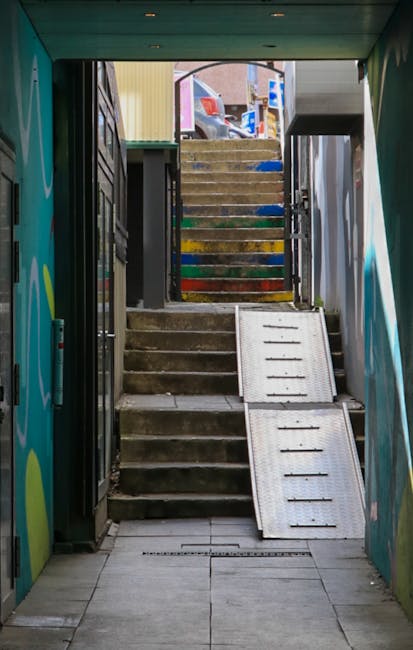
If you are planning a move around Leith Walk in EH6, the staircase is often the thing that makes people pause. Not the boxes. Not the van. The stairs. Tight turns, narrow landings, awkward banisters, low ceilings, and the usual Edinburgh mix of old tenements and fiddly access can turn a simple move into a slow one if you do not plan ahead.
This guide to Leith Walk removals EH6 narrow stair access tips is written for exactly that situation. You will find practical ways to measure up, pack better, protect walls and belongings, reduce lifting risk, and choose the right moving approach for a building that does not exactly roll out the welcome mat. Truth be told, a little preparation saves a lot of swearing.
Whether you are moving a flat, a shared property, or a small office nearby, the aim is the same: make the stair access work for you, not against you. And yes, there are smart ways to do it without turning the day into a drama.
- Why narrow stair access matters on Leith Walk
- How the moving process works in tight stairwells
- Key benefits of planning access properly
- Who needs these tips most
- Step-by-step moving guidance
- Expert tips for smoother removals
- Common mistakes to avoid
- Tools, resources and recommendations
- Law, compliance and best practice
- Options and comparison table
- Real-world example
- Practical checklist
- Conclusion
- Frequently asked questions
Why Leith Walk removals EH6 narrow stair access tips Matters
Leith Walk and the wider EH6 area include a lot of buildings where the route from front door to van is not straightforward. Staircases can be steep, turns can be tight, and access can feel smaller once you are carrying a wardrobe that seemed perfectly manageable in the living room. That is the reality.
Good access planning matters because stairs affect almost every part of a removal: how long it takes, how many people are needed, what can be carried safely, and whether an item needs to be dismantled before moving day. In some cases, the staircase is the main constraint, more than the van parking or the volume of belongings.
For local home moves, a bit of forethought can stop minor issues becoming costly delays. It can also help you decide whether a standard team, a man and van service, or a larger setup makes most sense. That choice is often the difference between a calm move and a day full of bottlenecks.
There is also the safety side. Narrow stair access increases the chance of knocks to banisters, scraped paintwork, strained backs, and the classic problem of two people muttering, "it'll fit if we just angle it." Sometimes it will. Sometimes it really, really will not.
How Leith Walk removals EH6 narrow stair access tips Works
The basic idea is simple: assess the route, reduce the size and weight of the items, protect the building, and move in a sequence that makes sense. In practice, the process works best when it starts before the van arrives.
First, you check the access from the street to the property. Is there controlled parking? Is the entrance shared? Are there multiple flights? Are corners narrow enough that a sofa has to be turned vertically? Once you know the route, you can plan the order of loading and unloading.
Then comes item assessment. Bulky furniture, white goods, and awkward-shaped items need special attention. A bed frame that comes apart in five minutes is a gift. A heavy corner sofa with a fixed frame, not so much. In some homes, the smartest move is to dismantle more than you think you need to.
Next is protection. Blankets, corner guards, floor coverings, and proper lifting straps are not fancy extras. They are what keep the move moving. If a landing is tight, you want the right handling gear and the right number of people on the job. Not too many, not too few.
Finally, the loading sequence matters. If the hardest item is still in the hallway while smaller boxes are being passed around it, you will feel the slowdown immediately. A better plan is to clear the awkward pieces first, then move the stack of easier items through the stairs in a steady rhythm.
Key Benefits and Practical Advantages
Planning around narrow stair access is not just about avoiding problems. It gives you a better move overall.
- Less damage: careful prep reduces scuffs to walls, ceilings, banisters, and furniture edges.
- Faster progress: the team spends less time wrestling with awkward turns or rethinking the route halfway up the stairs.
- Lower stress: once everyone knows which items are coming out first, the day feels much more manageable.
- Safer lifting: the right approach reduces strain on backs, shoulders, and hands.
- Better value: fewer delays and fewer surprises usually mean a smoother use of time and labour.
There is another benefit that people sometimes miss: confidence. When you know a sofa, a fridge, or a desk has already been measured against the staircase, you stop guessing on the day. That matters more than it sounds. A move feels much easier when the unknowns are already handled.
If you are comparing support options, it can also help to look at home moves and house removalists services that are familiar with awkward access, because local experience really does show in the little details.
Who This Is For and When It Makes Sense
These tips are most useful for anyone moving in or out of a flat with stair-only access, especially older properties around Leith Walk, side streets off the main road, and tenement-style buildings in EH6. If your building has narrow turns or no lift, you are in the target audience, basically.
It also makes sense if you are moving one or two large items rather than a full household. A tricky wardrobe, a heavy sofa, or a washing machine can be more awkward than a dozen boxes because the shape is the problem, not just the weight.
Landlords, tenants, first-time buyers, and small business owners all run into the same issue. A shared stairwell creates one narrow route for everyone, and that route has to stay usable while the move happens. If you have ever carried a kettle past someone's bike, a pram, and two umbrellas in a tenement stair, you know the feeling.
It is also relevant if you are thinking about a smaller crew and a more flexible vehicle setup. Services like man with van can suit lighter moves, while larger loads may suit a moving truck or even removal truck hire depending on volume and access.
Step-by-Step Guidance
Here is the practical sequence I would use for a Leith Walk stair-access move. It is simple, but it works.
- Measure the route properly. Check stair width, landing depth, turn angles, ceiling height, and doorway clearances. Do not measure only the item. Measure the route too.
- Identify the awkward items early. Sofas, beds, wardrobes, bookcases, fridge-freezers, and desks are the usual suspects. Anything long, heavy, or oddly shaped deserves attention.
- Decide what should be dismantled. If an item comes apart without much effort, take it apart. Keep screws, brackets, and fittings bagged and labelled.
- Protect the stairwell. Use blankets, edge protection, and floor covering where needed. Shared entrances get especially scuffed during moves, so think ahead.
- Clear the staircase before the crew starts. Shoes, plant pots, recycling, bikes, and loose mats all become trip hazards. Move them out of the way.
- Load the van in the right order. Place the first items you need to unload last. That sounds obvious, but under pressure it gets forgotten.
- Use a steady handover rhythm. On tight stairs, slow and controlled beats fast and chaotic every single time.
- Check every landing before turning. A quick pause at each bend can prevent a very annoying scratch or snag.
One useful habit is to walk the route once before moving starts, then walk it again with the largest item in mind. You will notice pinch points you missed the first time. That tiny pause can save a lot of effort later.
Expert Tips for Better Results
Small improvements make a big difference when stair access is tight. These are the things that tend to pay off most.
1. Treat measurements as a route problem, not just a furniture problem
People often measure a sofa and assume that is enough. It rarely is. A sofa might be technically shorter than the stair width and still fail because the landing turn is too shallow. The route matters more than the headline number.
2. Remove doors if the route is tight
Sometimes a door that opens inward steals just enough space to make turning awkward. Taking a door off its hinges can create more room without much fuss. It is a small move, but very often a useful one.
3. Use labels that actually help on the day
Instead of writing "misc" on everything, use labels like "kitchen fragile," "bed bolts," or "last out." It sounds basic, and it is, but basic is fine when you are halfway down a narrow stair and trying to work out what belongs where.
4. Keep walkways dry and clear
Rain happens. Wet shoes happen. Edinburgh weather does its own thing. Towels or mats near the entrance can help keep surfaces safer during the handover between stair and van.
5. Choose the team size wisely
A move with one person too few becomes a slog. One person too many can make the stairwell crowded and awkward. For narrow access, balance matters. That is why experienced crews are often better than simply throwing more bodies at the problem.
If you want packing support as well, packing and unpacking services can save time and help keep boxes compact and consistent, which is a real advantage when every inch counts.
Common Mistakes to Avoid
This is the section that saves people the most trouble, because the mistakes are very predictable.
- Not measuring the landing. A staircase can be wide enough, but the landing can still block the turn.
- Leaving dismantling until moving day. That is how delays creep in fast.
- Overpacking boxes. Heavy boxes are harder to carry down stairs safely and more likely to split.
- Ignoring the building fabric. Old plaster, paint, and woodwork can be fragile around tight corners.
- Forgetting the parking plan. Even perfect stair prep will not help if the van is parked badly.
- Assuming one person can steady a large item alone. That is a recipe for strain and, frankly, a bit of regret.
Another mistake is underestimating emotional fatigue. Narrow access makes people tense. After a few trips, the crew and the client can both get a little short with each other. A short pause, a drink of water, and a reset can help more than people admit. Moving day is not a personality test.
Tools, Resources and Recommendations
You do not need a warehouse of equipment, but the right few tools make stair-access removals much easier.
| Tool or item | Why it helps | Best use case |
|---|---|---|
| Furniture blankets | Protects walls, doors, and furniture edges | Tight turns and shared stairwells |
| Lifting straps | Improves control and reduces strain | Heavy items on staircases |
| Corner protectors | Reduces impact on plaster and paintwork | Narrow entrances and landings |
| Labels and marker pens | Keeps dismantled parts and boxes organised | Furniture breakdown and room sorting |
| Floor protection | Helps prevent scuffs and slips | Wet days and high-traffic routes |
For the right vehicle choice, it can help to compare a standard van against a larger load option. A bigger vehicle is not always the answer, especially where street space is limited. In some cases, a smaller and more flexible setup makes more sense than trying to squeeze everything into one oversized run.
You may also want to look at furniture pick up if the job includes a single bulky item or an item that needs collecting separately before the main move. That can take pressure off the stair route on moving day itself.
Law, Compliance, Standards, or Best Practice
For stair-access moves, the main compliance concerns are safety, manual handling, and building care. You do not need to become a legal expert to manage these well, but you do need to respect the basics.
In the UK, good moving practice usually means reducing manual handling risk where possible, using suitable equipment, and not asking people to carry loads that are clearly unsafe for the route. That applies even more when stairs are narrow or steep. If an item feels borderline, the safer choice is often to dismantle it or move it with more support.
Shared stairwells also bring practical responsibilities. Keep access clear, avoid blocking neighbours for longer than needed, and protect common areas as far as reasonably possible. That is not just courteous; it reduces the chance of complaints and disputes later.
If your move involves commercial premises or a larger office setup, the same thinking applies but on a bigger scale. You can explore commercial moves or office relocation services if you need a coordinated approach for desks, equipment, and shared access.
It is also sensible to check insurance cover and safety expectations before moving day. The right provider should be able to explain how they handle risk, what is covered, and how belongings are managed during loading and transport. If that conversation feels vague, ask again. Clear answers are a good sign.
Options, Methods, or Comparison Table
Different moves call for different methods. Here is a straightforward comparison to help you decide what fits your access situation.
| Approach | Best for | Pros | Watch out for |
|---|---|---|---|
| DIY with friends | Very small moves, a few boxes, lighter items | Low upfront cost, flexible timing | Higher risk of damage or injury on narrow stairs |
| Man and van | Flat moves, mixed loads, short local jobs | Flexible, practical, often good for tight access | May need careful item selection and pre-planning |
| Moving truck or larger vehicle | Bigger house moves or higher volume loads | More space, fewer trips in some cases | Harder parking and access planning in busy streets |
| Full removals support | Furniture-heavy homes, awkward access, higher-value items | More handling support, better route management | Usually the most structured option |
For some people, the sweet spot is a flexible team with a truck, especially if the move is not huge but still contains a few nightmare items. If you are comparing options, browse man with van and moving truck with your access constraints in mind, not just the number of boxes.
Case Study or Real-World Example
Picture a typical EH6 flat on a Leith Walk side street. Third floor, no lift, curved stairwell, and a sofa that looks fine in the lounge but becomes a monster the moment it hits the landing. The tenant thinks it should fit. The stair says otherwise.
In a situation like that, the best result usually comes from a quick route check, a decision to remove the sofa feet and maybe the back section if possible, and a clear carry plan before the first lift starts. The team moves the smaller boxes first, clears the stairwell fully, then tackles the sofa with two people guiding and a third spotting the corners. Slow, steady, no drama.
What changed the outcome? Not strength. Planning.
That kind of move is common around Leith Walk, especially where stair space is fine for everyday life but awkward for furniture. You do not need heroics. You need the right order, a little patience, and enough room to stop and reset at the landing if required.
Practical Checklist
Use this before moving day if you are dealing with narrow stair access in EH6.
- Measure the staircase, landings, doorways, and any tight turns.
- Identify large or awkward items early.
- Decide what can be dismantled.
- Bag and label screws, fittings, and small parts.
- Clear the hallway and stairwell of hazards.
- Protect walls, corners, and floors where needed.
- Confirm where the van can stop and unload safely.
- Keep fragile items separate and clearly marked.
- Prepare for wet weather and slippery shoes.
- Have water, phone access, and basic first-aid awareness on hand.
If you want a smoother experience from start to finish, you can also review practical pages on packing and unpacking services, insurance and safety, and health and safety policy so you know how the job is approached and what standards matter. That sort of preparation makes a real difference.
Get a free quote today and see how much you can save.
Conclusion
Leith Walk removals in EH6 are rarely difficult because of distance. They are difficult because of access. Narrow stairs ask for a different kind of thinking: more measuring, more coordination, more patience, and a clearer plan for the items that will not simply glide through.
When you handle the access properly, everything else becomes easier. The move is calmer, the risk is lower, and the day feels much more under control. That is the real win here. Not perfection. Just a move that gets done safely and without unnecessary chaos.
If you are at the stage of choosing support, start with the practical question: what will make the stairs easier? Once you answer that honestly, the rest usually falls into place. And when the last box is finally out, you will be glad you took the time to think it through.
There is a quiet relief in a move that works. You feel it the moment the hallway clears.
Frequently Asked Questions
How do I know if my Leith Walk flat stairs are too narrow for furniture?
Measure the stair width, the landing, and the tightest turn before moving day. If an item only fits by forcing an awkward angle, it is probably too tight to move comfortably without dismantling or extra handling support.
Should I dismantle furniture before a stair-access move in EH6?
Yes, if the item is designed to come apart and reassembly is straightforward. Beds, some wardrobes, desks, and modular sofas often move much better once broken down. Keep fittings in labelled bags so nothing goes missing.
Is a man and van service enough for narrow stair access?
It can be, especially for smaller or lighter moves. The real question is not just the service type but the access conditions and item size. A smaller service can work very well if the load is sensible and the route has been checked properly.
What should I measure before booking a removals team?
Measure the staircase width, landing depth, doorway height and width, and any sharp bends or low ceilings. Also check where the vehicle can park. Access problems often happen at the route level, not just at the front door.
How can I protect walls and banisters during a narrow stair move?
Use furniture blankets, corner protection, and floor coverings where needed. Clear the staircase first so nothing catches on bags, shoes, or clutter. A little protection goes a long way in older stairwells with painted plaster or wooden trim.
What are the biggest risks with narrow stair removals?
The main risks are damage to the property, damage to furniture, slips, trips, and strain injuries. The stairwell can become crowded quickly, so careful lifting and good communication matter more than speed.
How do I choose between a moving truck and a smaller van?
Think about volume, parking, and access. A larger vehicle can be efficient for bigger loads, but a smaller setup may be easier if street access is tight. In some EH6 streets, simpler is better.
Can I move a sofa down a narrow Edinburgh stairwell?
Sometimes yes, sometimes no. It depends on the sofa shape, the landing turn, and the ceiling height. A quick route check usually tells you whether it can be carried normally, needs partial dismantling, or should be collected another way.
How far in advance should I plan for stair access issues?
As early as possible. Even a few days of planning can help, but more time is better if you need dismantling, parking arrangements, or extra help. The sooner you assess the route, the fewer last-minute surprises you will face.
What if the stairwell is shared with neighbours?
Keep the route clear, move efficiently, and minimise disruption. Shared stairwells need extra care because they are used by other people too. Courtesy matters here, and so does not leaving boxes in the way for longer than necessary.
Do I need professional packing help for a narrow stair move?
Not always, but it can help. Well-packed boxes are easier to carry, stack, and protect on stairs. If you have fragile items or a busy schedule, professional packing support can remove a surprising amount of stress.
What should I ask a removals company about narrow stair access?
Ask how they assess difficult access, whether they can dismantle furniture, how they protect walls and floors, and what vehicle size they recommend. Clear answers are usually a good sign that the team has handled this kind of move before.